Annotated Color Map of Russia in the 19th Century
Files
Title:
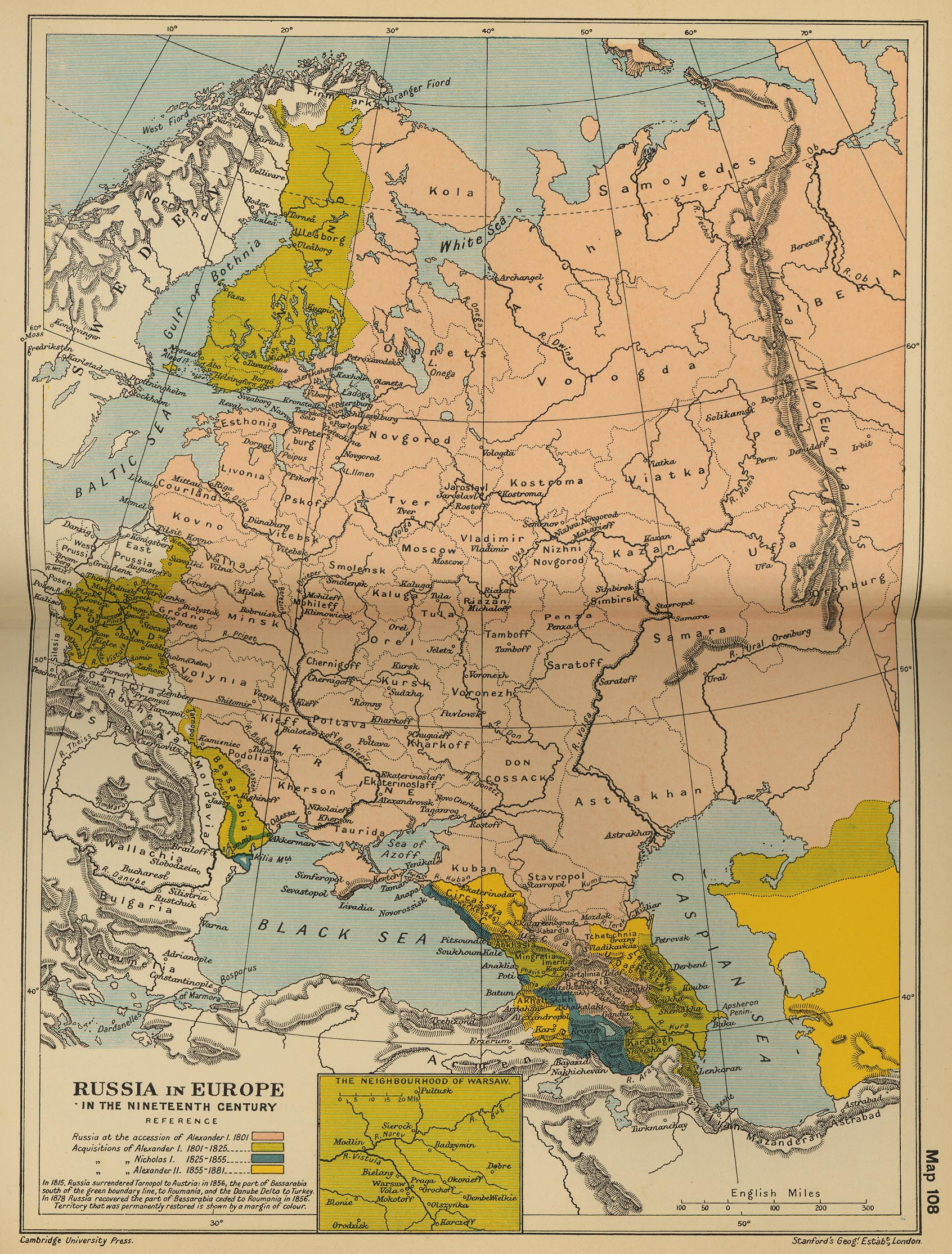
Annotated Color Map of Russia in the 19th Century
Subject:
Color Map of Russia in the 19th Century, annotated to show the 1892 spread of cholera up the Volga River and on to Nizhni-Norgorod, the site of the trade fair.
Description:
This 19th Century English map of European Russia is annotated to show the 1892 spread of cholera up the Volga River, spreading 12,000 miles in 12 days from Astrakhan to Saratof to Samara to Simbirsk to Nizhni-Novgorod. This map highlights just how close these towns were to each other. While they had varied methods of quarantine and certainly a wide range of responses from the public to cholera mitigation efforts, Nizhni-Novgorod remains an outlier. As the site of the annual fair with 200,000 visitors buying and selling goods from all parts of Russia and neighboring countries, Nizni-Novgorod was not like-wise restricted and the reported rates of illness and death at this one town are suspiciously low.
Follow the visual trail from Astrakhan up the Volga and on the Oka River to Moscow. This visualization makes it impossible to believe that the huge mass of people coming and going out of Nizhni-Novgorod remained healthy. You can see that it would be impossible and cannot be considered a plausible scenario. When you see the progression of the spread and can visualize the closeness of the towns, the question of the fair at Nizhni-Novgorod comes into clear focus. Not the answers, just the questions.
The map brings to life the central location that Nizhni-Novgorod provided for water and land based trade. From the Baltic to Central Asia, the connecting of the Volga and Oka River and the Kama River on to the Ural Mountains and Siberia, this location was a hub that provided a perfect trading site. To annotate all the waterways became distracting and even the most elemental reading of this map will bring these water routes into focus without the need for annotations. Clear and plainly marked, this map is a perfect way to see trading possibilities as they were in 1892 at the time of outbreak; it is also a perfect way to start to consider all the possible reasons this fair was allowed to continue year after year, in the heart of cholera outbreaks that closed down the rest of European Russia.
Publisher:
Stanford's Georg! Estab; London
Date:
19th Century
Contributor:
Cambridge University Press
Language:
English
Type:
Map