Browse Items (7 total)
Sort by:
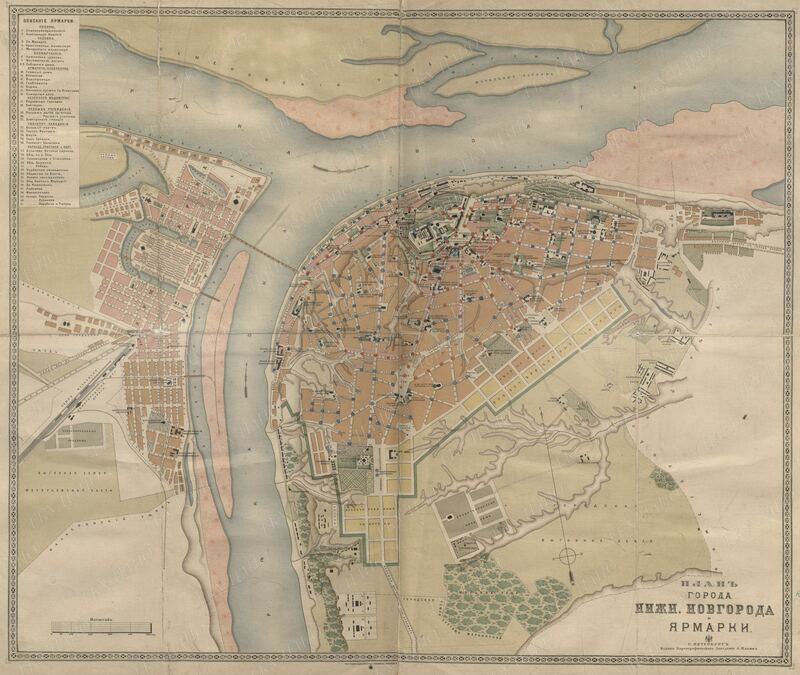
This map shows the city of Nizhni-Novgorod in 1893 and details the city infrastructure for the internationally known trade fair. It also highlights the city’s strategic location along the Volga and Oka rivers and shows the city's vital connection to…
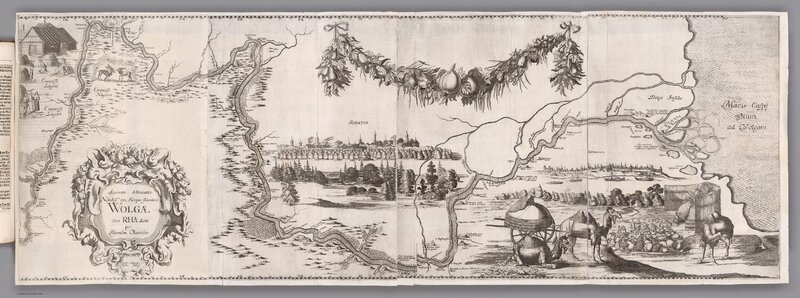
This map is significant because it shows the Volga river, beginning in Nizhni-Novgorod and ending at the Caspian Sea. This map shows that the city is in a geographically advantageous location along the Volga to facilitate its long history as a…
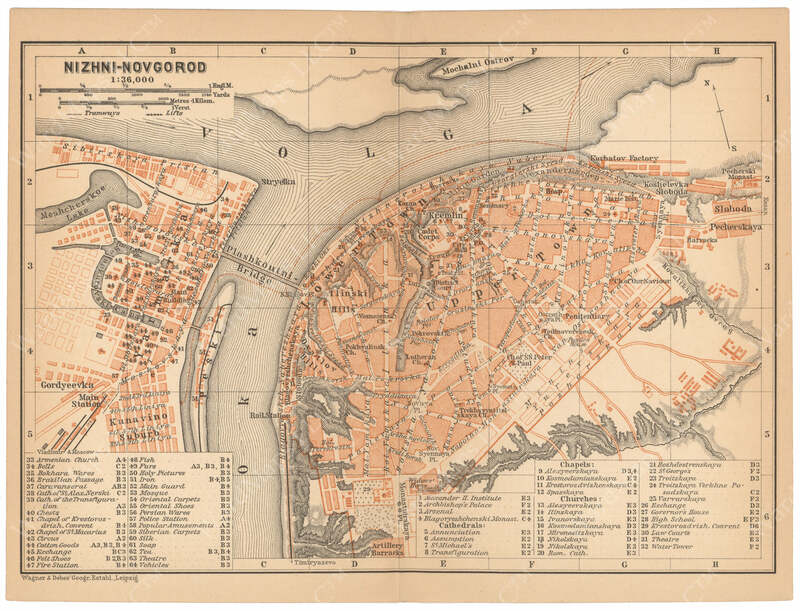
This core map is significant to my geographical feature of Nizhni-Novgorod because it is an excellent example of lithography, the reference grid navigation system, and has a detailed list of features within the city/fair while showing its strategic…
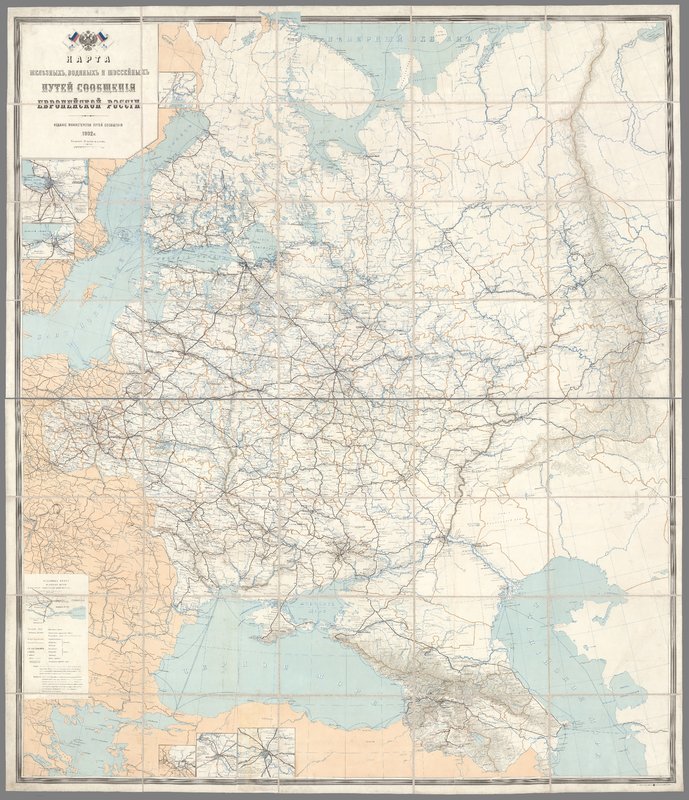
Issued by the Ministry of Transport in 1902, the Map of the rail, water and road routes of transport of European Russia, shows the massive growth in the rail network in the short time after the introduction of the locomotive to the Russian Empire.…
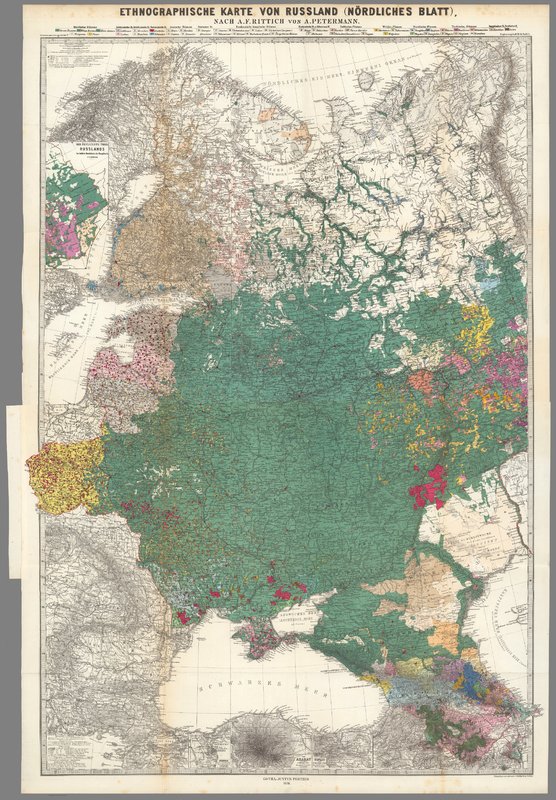
This ethnographic map of European Russia depicts the makeup of the Russian Empire’s diverse population during the late 1800’s and how the various ethnic groups were geographically dispersed throughout the country. The map highlights the geographic…
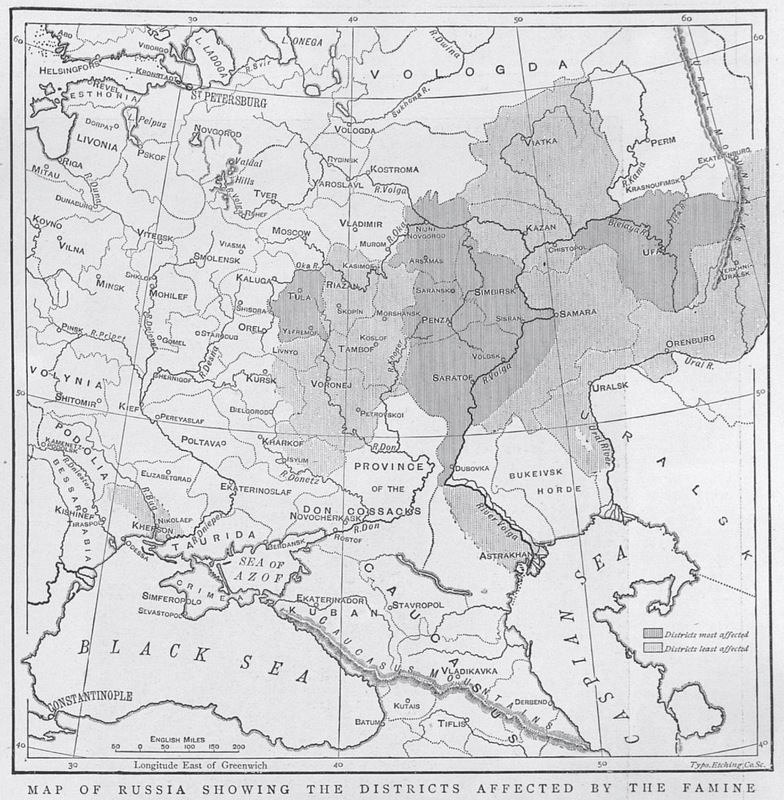
Is this map of famine across Russia in 1891 a telescope into the future of the 1892 cholera epidemic? Historians are not clear as to the role Russia's 1891 famine played in setting the stage for cholera. This map shows least affected famine areas as…
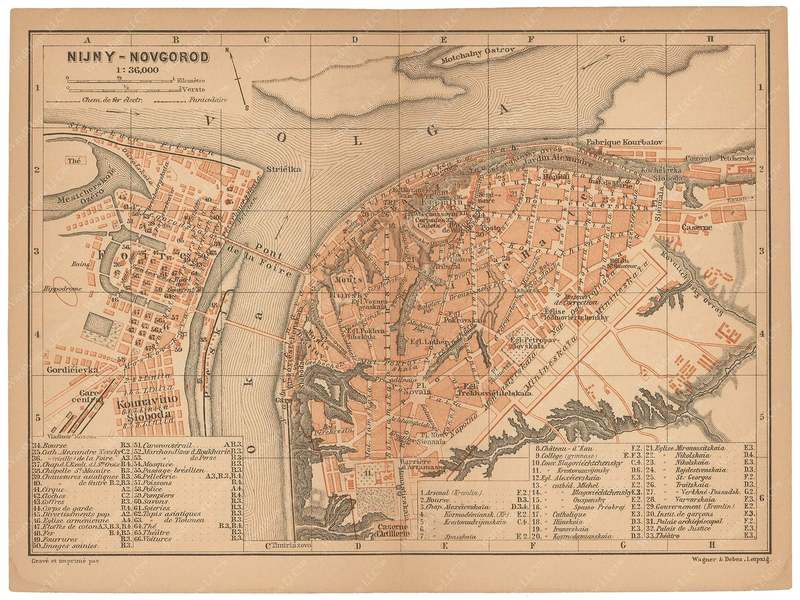
“Cholera epidemics regularly spread up the Volga from Astrakhan, most devastatingly in 1892 and 1893 when the disease ravaged the working population of the fair. “
Description of Cholera entering Niznhy Novgorod in 1892 from Melnikov Ocherki,…
Description of Cholera entering Niznhy Novgorod in 1892 from Melnikov Ocherki,…